Top gardeners in Sutton High Street for small garden makeovers
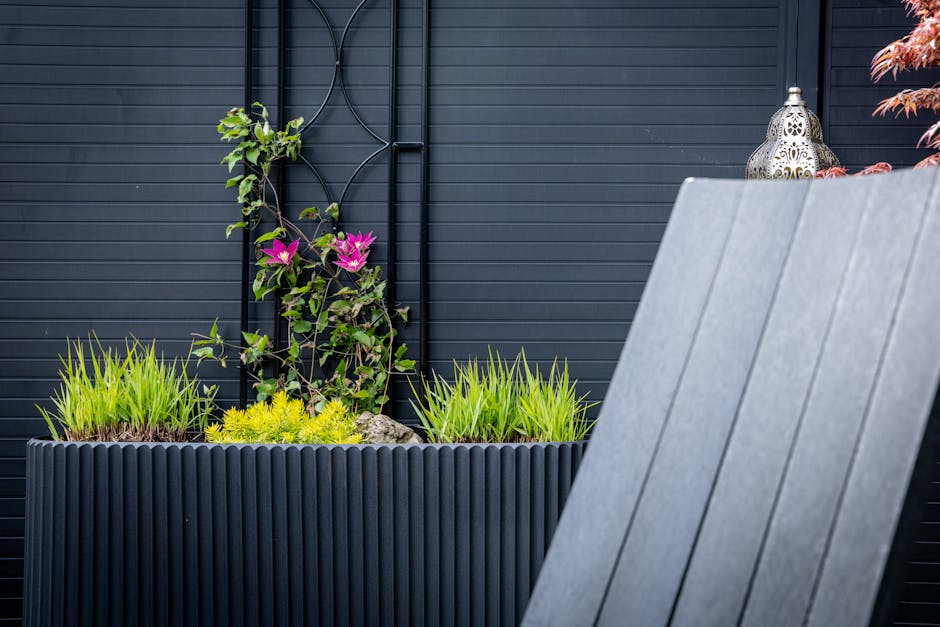
If your outdoor space feels more like a narrow afterthought than a garden, you are not alone. Small gardens around Sutton High Street often need smart planning, not a massive overhaul, and the right gardener can make a surprising difference. The best Top gardeners in Sutton High Street for small garden makeovers know how to turn tight corners, awkward layouts, and tired planting into something that feels calm, usable, and genuinely pleasant to spend time in. In practice, that might mean better paving, sharper edges, tidier beds, or just clearing out the clutter that has quietly taken over. A small garden does not need to be big to feel special.
In this guide, you will get a clear view of what a small garden makeover involves, how to judge the right help, which improvements bring the most impact, and what to avoid if you want results that last. We will keep it practical, local, and straightforward.
Why Top gardeners in Sutton High Street for small garden makeovers Matters
Small gardens are often judged too quickly. People assume they are limited, or that any improvement will be minor. Truth be told, compact spaces are where skilled gardening has the biggest visual payoff. Because every square metre matters, good layout decisions show immediately. A better path, a neater border, a clean lawn edge, or a cleverly placed planter can make the whole garden feel larger and more inviting.
On Sutton High Street, many properties sit close to footfall, neighbouring buildings, and busy daily routines. That means a garden makeover has to do more than look pretty. It needs to work in real life. You might want easier maintenance, more privacy, a nicer place for morning coffee, or a space that does not look worn out the second the weather turns. Good gardeners understand that balance. They are not just cutting back growth; they are shaping how you live with the space.
Small garden makeovers also matter because they help you avoid the trap of constant patch repairs. A few thoughtful changes now can stop the same problems recurring every season. Less muddy ground. Less weed pressure. Less wasted space. It sounds simple, and often it is, but that simplicity comes from experience.
Key takeaway: a strong small-garden makeover is about proportion, function, and finish. Not drama. Not overdesign. Just better use of what you already have.
How Top gardeners in Sutton High Street for small garden makeovers Works
The process usually starts with a site visit and a conversation. That first chat should feel practical, not salesy. A good gardener will want to know how you use the garden, how much maintenance you want to do yourself, what annoys you about the current layout, and whether the space needs to be child-friendly, pet-friendly, low-maintenance, or simply more attractive.
From there, the work usually falls into a few layers:
- Assessment: checking soil condition, light levels, drainage, access, existing planting, and any features that should stay.
- Clearance and tidying: removing dead material, self-seeded growth, litter, broken edging, or overgrown sections.
- Structure: defining borders, pathways, seating spots, screening, or raised features that give the garden shape.
- Planting and finish: choosing plants that suit the space, then adding the final details so the garden feels coherent rather than patched together.
If the makeover includes a more built element, such as hard landscaping or timber features, then the work may overlap with professional landscaping services or even garden decking options where a small seating zone makes sense. That is not about making the project bigger than it needs to be. It is about using the right fix for the right problem.
For many compact gardens, the real turning point comes from tidying and definition. You may be surprised how much better a space feels once the edges are crisp and the clutter is gone. There is a kind of quiet satisfaction in that. A small space can go from cramped to composed in a day or two, sometimes faster.
Key Benefits and Practical Advantages
Small garden makeovers deliver benefits that are easy to underestimate until you live with them. The biggest ones are not always the most obvious.
1. Better use of space
When a garden is small, poor layout becomes visible immediately. A good makeover can create distinct areas for sitting, planting, and access without making the garden feel crowded. Even a slim border or a different surface treatment can make the whole thing read more clearly.
2. Lower maintenance
Many homeowners in Sutton want a garden that looks cared for without becoming another weekend job. A well-planned makeover can reduce repetitive pruning, patchy grass work, and weed build-up. Services like ongoing garden maintenance and regular lawn mowing become easier when the space has been designed with upkeep in mind.
3. Stronger curb appeal and resale value
Let's face it, first impressions matter. A neat front or rear garden helps a property feel looked after. Buyers and visitors notice that immediately. You do not need a showpiece. You need coherence, care, and something that does not look like it has given up halfway through summer.
4. More comfort and enjoyment
A small garden can become a real room outdoors. With the right planting and layout, it feels like an extension of the home rather than a leftover patch. That is especially valuable if you like a quiet tea outside in the evening or want a place to sit when the weather behaves itself, which, in Britain, is admittedly a bit of a gamble.
5. Easier seasonal care
Once the structure is improved, tasks like cutting back, trimming, clearing leaves, and refreshing beds become simpler. If hedges or boundary growth are part of the problem, hedge trimming services can restore clean lines without stripping away privacy.
Who This Is For and When It Makes Sense
This kind of work suits a wide mix of homeowners and property managers. You might be a good fit if any of the following sound familiar:
- Your garden feels cluttered, narrow, or hard to walk through.
- You want a better outdoor area but do not want a full redesign.
- Plants have become overgrown and are hiding the shape of the space.
- The lawn is patchy, thin, or awkwardly sized for the garden.
- You want a more modern, low-fuss look with clean lines.
- The garden has good bones, but the finish is tired.
It also makes sense if you have recently moved in and the garden is not quite your style. A small makeover is often the fastest way to make the place feel like yours. Sometimes it is just a matter of clearing out the old planting scheme and starting with better structure. Small job, big feeling.
For gardens with a lot of debris, damaged growth, or years of buildup, it may be wise to begin with garden clearance before any decorative work starts. If there are larger shrubs, unsafe branches, or mature trees causing shade or mess, then tree lopping and removal may need to be assessed carefully and handled by someone experienced.
Step-by-Step Guidance
If you are planning a small garden makeover, this is the simplest way to approach it without overcomplicating things.
- Decide what the garden needs to do. Sit outside for a minute and be honest. Do you want somewhere to relax, play, grow herbs, or simply stop looking at the mess?
- Identify what is getting in the way. Is it overgrowth, poor drainage, awkward access, dead lawn, or just a layout that never worked? Pinpoint the friction.
- Set a realistic scope. A smart makeover does not need everything done at once. You can phase it. Clear first, then shape, then plant, then refine.
- Choose the right improvements. In a small space, a few targeted upgrades usually beat a long shopping list. Think edge definition, improved surfaces, selective planting, and practical storage.
- Plan for upkeep from day one. If the design is beautiful but impossible to maintain, the improvement will not last. Keep maintenance simple and honest.
- Check the finish in daylight. A garden can look good at 4pm and awkward at 8am. Walk it in the morning if you can. You notice different things.
If you are working with a local team, ask what they recommend for the site rather than leading with assumptions. A gardener who understands compact outdoor spaces will often spot opportunities you missed, especially if the garden has uneven light, a hidden corner, or a weirdly wasted side return.
Expert Tips for Better Results
These are the practical things that usually make the difference between a decent result and a really satisfying one.
- Use repetition carefully. In a small garden, repeating one or two plants or materials creates calm. Too much variety can look busy fast.
- Keep hard edges clean. Crisp lawn lines, neat borders, and tidy transitions between surfaces instantly improve the sense of order.
- Think vertically. If floor space is tight, grow up a fence, wall, or trellis. It gives height without stealing room.
- Choose plants for the actual light. A sunny patio plant in a shady corner will sulk. Not dramatically, but enough.
- Leave breathing room. Plants need space to mature. Crowd them and you create a future problem disguised as a full-looking border.
- Keep one focal point. A small bench, a feature pot, or a simple seating area can anchor the whole garden.
A good local gardener will also suggest where to save money and where not to skimp. That matters. There is no point paying for a design flourish if the underlying drainage or boundary work is weak. Better to fix the base first, honestly.
If sustainability matters to you, ask how green waste is handled and whether the contractor follows a sensible recycling approach. The right fit should be able to explain their process clearly. You can also look at their recycling and sustainability approach to see whether that lines up with your own values.
Common Mistakes to Avoid
Small gardens are unforgiving of bad choices. That is not meant to sound gloomy. It just means you want to avoid the usual traps.
- Overfilling the space. Too many plants, too many pots, too many features. The garden starts to feel smaller than it is.
- Ignoring maintenance time. A lovely design that needs constant attention becomes a burden pretty quickly.
- Choosing style before structure. If the garden is uneven, blocked, or overgrown, sort that out first.
- Using the wrong hedge or screen size. Screening is helpful, but oversized planting can dominate a tiny plot.
- Forgetting drainage and access. A beautiful path that puddles is, well, not very beautiful for long.
- Skipping a proper quote discussion. If the brief is vague, the finish may be vague too. Be specific about priorities.
One mistake we see often is trying to make a small garden do everything at once. A dining zone, a play space, a wildlife corner, a shed area, and a decorative border all squeezed into the same footprint. Sometimes it works. Often it just makes the space look tense.
Tools, Resources and Recommendations
You do not need to be a professional to prepare well for a makeover, but having a few simple tools and reference points helps.
| Need | Useful approach | Why it helps |
|---|---|---|
| Clear project brief | Write down what bothers you and what you want more of | Keeps the makeover focused |
| Budget planning | Ask for staged options | Helps you prioritise essential work first |
| Maintenance planning | Set a realistic upkeep level | Prevents the garden from sliding back |
| Plant selection | Choose plants suited to light and space | Improves long-term success |
| Boundary handling | Consider hedges, screens, or trellis carefully | Protects privacy without crowding |
If you want the garden brought back to a manageable baseline before any improvement work, a team that offers a full services overview can help you see which jobs belong in the same visit and which should be separated. That is especially useful when the garden needs both tidying and shaping.
For clients who want a hands-off finish, ongoing support matters as much as the makeover itself. Services such as garden maintenance and lawn mowing can keep the new design looking fresh after the initial work is done. A garden makeover is the opening chapter, not the whole book.
Law, Compliance, Standards, or Best Practice
For most small garden makeovers, the main concerns are practical best practice rather than heavy regulation. Still, reputable gardeners should work safely, communicate clearly, and treat waste responsibly. In the UK, you would normally expect anyone carrying out gardening or landscaping work to take sensible precautions around tools, access, slips, cuts, falling material, and manual handling.
If the work includes tree removal or significant pruning, it is sensible to check that it is being done carefully and in line with good arboricultural practice. If there are boundaries, shared access points, or neighbouring properties close by, planning matters even more. A tidy-looking result should never come at the expense of safety.
It also helps to understand the basics of service terms, payment timing, and what happens if the scope changes. A transparent contractor will explain this plainly. Pages such as terms and conditions, payment and security, and insurance and safety are useful signs that a business takes the professional side seriously. You may never need to think about them again, which is kind of the point.
For the more admin-minded reader, it is also fair to check how the company handles issues or feedback. A clear complaints procedure and basic policy pages can tell you a lot about how they operate when things are not perfectly smooth. And in the real world, sometimes things are not perfectly smooth. That happens. What matters is how it is handled.
Options, Methods, or Comparison Table
Different small-garden makeovers suit different needs. The best choice depends on how you use the space and how much maintenance you want.
| Method | Best for | Main advantage | Possible downside |
|---|---|---|---|
| Tidy-and-refresh | Gardens that are basically sound but messy | Fast, cost-conscious, strong visual lift | Does not solve deeper layout issues |
| Plant-led makeover | Spaces that need colour, texture, and softness | Natural feel, seasonal interest | Needs thoughtful plant care |
| Hard-landscape-led makeover | Gardens with poor access or weak structure | Improves function and flow | Can be more disruptive during work |
| Low-maintenance redesign | Busy households and landlords | Easier upkeep over time | May feel less lush if over-simplified |
There is no universal winner here. A compact courtyard, a narrow rear garden, and a front garden with awkward levels will all need different treatment. That is why the best gardeners ask questions before they quote. They are not being difficult. They are trying not to make expensive assumptions.
If the garden needs both structure and planting, a combination of landscape gardening and targeted landscaping often gives the cleanest result. If you already have decent structure but poor definition, the lighter approach may be enough.
Case Study or Real-World Example
Here is a realistic example based on the kind of small-garden work that comes up often in Sutton. A homeowner had a narrow rear garden that felt cluttered, patchy, and difficult to use. The lawn had thinned out, one side was overrun, and there was no clear place to sit. It was one of those spaces that looked tired before you even opened the back door.
The makeover began with clearance and trimming. Then the layout was simplified so the garden had a clear walking line, a calmer planting structure, and one practical seating area. The lawn area was tightened up and the border edges were sharpened. Nothing flashy. No oversized feature wall. Just smart changes.
What changed most was the feeling of the space. Suddenly there was room to breathe. The owner could see where to step, where to sit, and where the planting belonged. After that, regular maintenance was much easier because the garden no longer fought back every time someone tried to care for it.
That kind of result is often the sweet spot for small makeovers. Not a complete reinvention. A better version of the same garden. And honestly, that is usually enough.
Practical Checklist
Use this checklist before you start speaking to gardeners or agreeing a plan.
- Identify the main problem: clutter, layout, overgrowth, dullness, or poor maintenance.
- Decide the garden's main purpose: relaxing, entertaining, family use, privacy, or low upkeep.
- Measure the space roughly, especially any narrow access points.
- List the features you want to keep.
- Note any areas with poor drainage, patchy grass, or little sunlight.
- Set a realistic budget and be open about it.
- Ask what can be done in stages if needed.
- Check whether the garden will need clearance first.
- Ask how future maintenance will be handled.
- Review business policies so you understand the process clearly.
If you are still unsure where to begin, start with the mess. That sounds blunt, but it works. Once the clutter is gone, the real shape of the garden becomes much easier to see.
Conclusion
The best gardeners for small garden makeovers in Sutton High Street are the ones who understand proportion, restraint, and practical detail. They know that small spaces need careful choices, not overcrowded ideas. They also know that a garden should feel easy to live with, not just nice in photographs.
Whether your space needs a clean-up, a layout rethink, better planting, or a more durable finish, the right approach will make the garden feel lighter and more useful almost straight away. Sometimes the change is dramatic. Sometimes it is subtle. Either way, a well-handled makeover can give you back a part of the home you had almost stopped noticing.
If you value a space that feels calmer, easier, and more yours, that is already a very good reason to begin.
Get a free quote today and see how much you can save.
Frequently Asked Questions
What do gardeners usually do in a small garden makeover?
They typically start by clearing overgrowth, defining borders, improving layout, and refreshing planting or lawn areas. The exact mix depends on the condition of the garden and what you want it to do.
How long does a small garden makeover take?
It varies a lot. A light refresh may take a day, while a more involved makeover with clearance, reshaping, or hard landscaping can take longer. Good planning usually saves time later.
Do I need a full redesign if my garden is tiny?
Not usually. Many small gardens improve dramatically with targeted changes rather than a complete redesign. Sometimes tidying, trimming, and better structure are enough.
What is the best first step for a messy small garden?
Start with clearance and a basic assessment. Once the clutter is removed, you can see the real shape of the space and make better decisions about layout and planting.
Can a small garden look bigger after a makeover?
Yes, often it can. Clear lines, better flow, lighter planting, and less visual clutter all help a compact garden feel more open.
How do I keep a small garden low maintenance?
Choose plants that suit the light, keep the design simple, limit lawn area if it is awkward to manage, and build in easy access for regular care.
Is landscaping worth it for a small garden?
It can be, especially if the space has awkward levels, poor access, or weak structure. Even minor landscaping changes may make the garden much easier to use.
Should I trim hedges before or after a makeover?
Usually before, if they are overgrown or blocking light and access. That gives a clearer picture of the space and helps the rest of the work fit properly.
What should I ask a gardener before hiring them?
Ask what they recommend for your space, how they handle waste, whether they offer staged work, what is included in the quote, and how maintenance will be handled after the job.
Do small garden makeovers need planning permission?
Most routine garden improvements do not, but some larger works may need extra thought depending on the design, trees, boundaries, or nearby property conditions. If in doubt, ask for professional advice before starting.
How much should I budget for a small garden makeover?
Budgets vary depending on clearance, materials, planting, and any hard landscaping. The safest approach is to ask for a clear quote and, if needed, a phased plan so you can prioritise the most important work first.
How do I know if a gardener is the right fit?
You will usually get a sense from how they listen, how clearly they explain options, and whether they focus on how you actually use the space. A good fit feels practical, not pushy.
When a small garden is handled well, it stops feeling like a limitation and starts feeling like a proper part of the home. That is a lovely thing to get back, especially on a quiet Sutton evening when the light drops and the space finally makes sense.