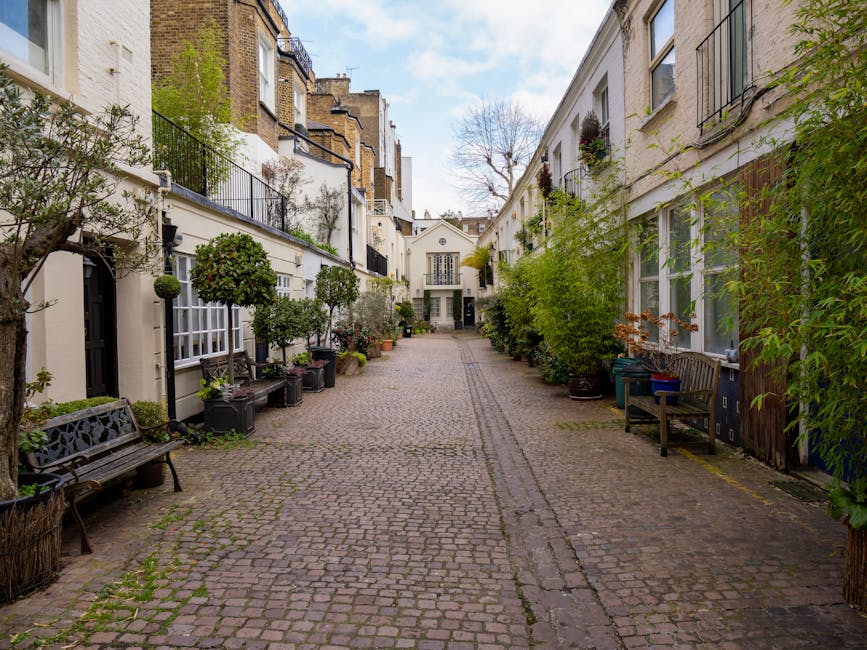
Sutton Station garden services for balconies and courtyards
Balconies and courtyards can be some of the most rewarding spaces to look after, but they're also the easiest to get wrong. Too much weight, the wrong plants, poor drainage, tired containers, dusty paving, a layout that feels cramped by Tuesday afternoon - it all adds up quickly. That's why Sutton Station garden services for balconies and courtyards need a different approach from a typical front garden or lawn. The aim is not just to "make it pretty". It's to create a space that works day after day: neat, safe, practical, and actually pleasant to sit in with a coffee when the weather behaves itself.
In this guide, you'll find a clear explanation of how balcony and courtyard garden care works, who it helps, what to avoid, and how to get better long-term results without making the space feel overdone. If you want broader support beyond small outdoor areas, it can also help to look at the full services overview or learn more about ongoing garden maintenance.
Small spaces are deceptively demanding. Truth be told, they often need more thought than bigger gardens. But when they're handled well, the difference is huge.
Table of Contents
- Why Sutton Station garden services for balconies and courtyards matters
- How it works
- Key benefits and practical advantages
- Who this is for and when it makes sense
- Step-by-step guidance
- Expert tips for better results
- Common mistakes to avoid
- Tools, resources and recommendations
- Law, compliance, standards, or best practice
- Options, methods, or comparison table
- Case study or real-world example
- Practical checklist
- Conclusion
- Frequently asked questions
Why Sutton Station garden services for balconies and courtyards Matters
Balconies and courtyards sit in a very particular sweet spot. They're outdoor areas, yes, but they also behave more like living spaces. You notice the finish underfoot, the sightlines from the kitchen, the sound of the wind funneling through a narrow gap, even the way moss or grit builds up along a corner after a wet week. If the space is neglected, you see it straight away.
That's why specialist care matters. A small courtyard with uneven planting, clogged drains, or a few scruffy edges can feel much smaller than it really is. On the other hand, thoughtful maintenance can make a compact area feel calm, open, and surprisingly spacious. A balcony with the right containers and tidy surfaces can become a proper extension of the home rather than a place where broken pots go to retire.
There's also a practical side. Small spaces usually have more constraints: limited access, shared walkways, neighbour considerations, weight limits, and weather exposure. You can't just treat them like a bigger garden in miniature. You need judgement. A bit of restraint helps too - not every square metre needs a plant in it, despite what some over-enthusiastic weekend plans might suggest.
Well-managed balcony and courtyard spaces are also easier to keep clean, safer to use, and less likely to suffer from avoidable problems like drainage issues, root crowding, or containers drying out too quickly. If you're already juggling work, family, and a train timetable around Sutton Station, that simplicity matters more than people admit.
How Sutton Station garden services for balconies and courtyards Works
Good balcony and courtyard gardening usually starts with a survey of the space as it is, not as you'd like it to be. That means looking at sun, shade, wind, access, drainage, surface condition, and how the area is actually used. A morning-facing balcony has very different needs from a shaded courtyard that never really dries out. The plants, materials, and maintenance schedule should follow the space, not the other way round.
From there, the work usually falls into a few clear stages:
- Initial tidy-up: removing dead growth, old compost, broken pots, weeds, and surface debris.
- Surface care: sweeping, washing down, checking for slippery patches, and making sure water can escape properly.
- Plant selection or refresh: choosing compact, appropriate planting for the light levels and container size.
- Pruning and shaping: keeping plants balanced, healthy, and suited to the scale of the space.
- Ongoing maintenance: watering, feeding, deadheading, seasonal replanting, and checking for stress.
For some homes, the right support might lean more toward design and layout, which sits closer to landscape gardening or landscaping. For others, it's mainly about keeping things tidy and alive through the seasons. Both are valid. In fact, many courtyard spaces need a blend of the two.
Materials matter as well. Courtyards often include paving, stone, raised beds, planters, or timber features. Balconies may include lighter pots, rails, screens, or compact seating. Each item should be checked for condition and practicality. A container that looked charming in April can become a nuisance by August if it cracks, tips, or dries out too quickly.
Key Benefits and Practical Advantages
The obvious benefit is that the space looks better. But there's more to it than that, and the practical gains are often what keep people coming back for regular help.
- Better use of limited space: small areas feel more open when clutter, dead foliage, and awkward layouts are dealt with properly.
- Healthier planting: plants last longer and perform better when they're matched to the real conditions.
- Less day-to-day stress: tidy, predictable maintenance is much easier to live with than occasional panic-cleans.
- Improved safety: surfaces stay cleaner, trips and slips are reduced, and broken containers are spotted early.
- Better neighbour relations: neat, contained planting is usually less likely to create issues with shared access or overgrowth.
- More reliable seasonal colour: a well-planned balcony or courtyard can look decent in February and genuinely lush by summer.
There's also a subtle but real lifestyle gain. A neat balcony or courtyard makes it easier to step outside for five minutes and reset. Not a big dramatic transformation - just the small pleasure of opening the door, hearing the birds or the quiet street noise, and feeling the space is looked after. That counts.
If the area connects to timber features or a seating zone, it can be worth considering support such as decking services where appropriate, especially if the finish needs refreshing or the surface is part of a wider outdoor layout.
Who This Is For and When It Makes Sense
This kind of service suits more people than you might expect. It's not only for homeowners with an eye for design. In practice, it's often for people who want the space to stop being a project and start being useful.
- Flat owners with balconies: especially if the space is exposed, narrow, or hard to maintain safely.
- Townhouse or mews homeowners: where courtyards need to look good without taking over daily life.
- Busy households: when outdoor maintenance gets postponed until it becomes a job, not a quick tidy.
- Landlords and property managers: to keep outdoor areas presentable between tenancies or viewings.
- Older residents: who want a beautiful area without lifting heavy pots or doing awkward bending work.
- People preparing to sell or let a property: because a neat balcony or courtyard lifts first impressions fast.
It also makes sense if the space has become "a bit much". You know the sort of thing: one broken planter, a few weeds, some windblown debris, and suddenly you're avoiding the balcony instead of enjoying it. Happens all the time.
In more neglected cases, a one-off tidy-up may come before regular care. If there's a lot to remove, garden clearance can be a sensible starting point before shifting into maintenance mode.
Step-by-Step Guidance
If you're planning balcony or courtyard improvements, a simple method works best. Overcomplicating the process is how people end up buying six identical pots and still feeling the space doesn't quite work. Let's keep it manageable.
- Assess the space honestly. Note sun, shade, wind, drainage, access, and where people naturally walk or sit.
- Clear what no longer serves the space. Remove dead plants, damaged containers, weeds, stale compost, and clutter.
- Check the surfaces. Sweep, wash, and look for moss, staining, or areas where water sits after rain.
- Choose the right planting. Use species that match the conditions rather than forcing in something high-maintenance.
- Plan the structure. Decide where larger planters, seating, screens, or storage should go so movement stays easy.
- Set a maintenance rhythm. Even a small area needs regular watering, deadheading, feeding, and general checks.
- Review seasonally. What looked lovely in spring may need adjusting by late summer or winter.
A useful rule: design for what you will actually do, not what you hope you'll do on a sunny Saturday. If you dislike fussing with watering cans, choose lower-maintenance planting or reduce the number of containers. If you love changing seasonal displays, build in space for that. Small area, big honesty.
Where maintenance is the main concern, a structured plan works well alongside regular garden maintenance so the space doesn't slip back into disorder.
Expert Tips for Better Results
Here's the bit that tends to make the difference between a balcony that merely survives and one that feels genuinely considered.
- Use fewer, better containers. Too many small pots create visual noise and make watering harder.
- Prioritise drainage. Waterlogged compost and poor runoff are common causes of plant decline in compact spaces.
- Pick plants for the microclimate. Balconies can be windy and drying; courtyards can be cool and shaded. Those are not the same thing, despite appearances.
- Mix evergreen structure with seasonal colour. That way the space never looks bare for months on end.
- Keep edges clean. Straight, crisp edges in a courtyard can make a surprisingly small space feel calmer and bigger.
- Inspect weights and fixings. Especially on balconies. Planters, screens, and furniture should be properly suited to the setting.
One small but useful habit: step back after any change and look at the space from the doorway or main window. That first glance usually tells you if the layout feels balanced. If it feels crowded from five metres away, it's probably crowded.
For a more complete refresh, especially where plant styling and structure need more thought, you may find value in landscape gardening support rather than just light maintenance.
Common Mistakes to Avoid
Most problems in balconies and courtyards are not dramatic. They're little mistakes that stack up. A bit of overwatering here, too much furniture there, a plant chosen for looks instead of conditions. Then suddenly the whole place feels tired.
- Overcrowding the space: a narrow balcony can go from stylish to chaotic very quickly.
- Choosing plants that outgrow the setting: some shrubs and climbers simply need more room than a compact area can give.
- Ignoring drainage: standing water can damage surfaces and roots alike.
- Using heavy items without checking suitability: weight matters, especially on upper floors.
- Forgetting the maintenance load: a beautiful display that needs constant rescue is not a win.
- Letting one problem spread: a messy corner becomes a storage zone, which becomes a dead zone. You know how it goes.
Another common issue is treating every square metre as display space. Some negative space is helpful. It gives the eye somewhere to rest and makes the useful parts stand out. A tiny courtyard in particular can benefit from restraint. Counterintuitive, but true.
Tools, Resources and Recommendations
You don't need a van full of equipment to maintain a balcony or courtyard well, but you do need the right basics. The simplest kit often performs best because it's actually used.
- Hand fork and trowel: for replanting and removing weeds without tearing the whole area apart.
- Lightweight watering can or hose attachment: helpful where access is tight.
- Sharp secateurs: for tidy pruning and deadheading.
- Broom and dustpan: essential for grit, leaves, and general surface care.
- Microfibre cloth or soft brush: useful for furniture, pots, and rail details.
- Quality compost and container feed: because container-grown plants depend on you more than border plants do.
It can also help to keep a simple seasonal plan. Not fancy, just enough to remember when to cut back, replace tired bedding, or inspect drainage. If you prefer organised support, a regular service schedule is often easier than trying to remember everything yourself after a busy week.
For properties where tree branches, shaded overhangs, or encroaching growth affect light levels, tree lopping and removal may be relevant as part of a wider outdoor improvement plan. Likewise, where accessibility or standards matter, it's worth reviewing practical company information such as insurance and safety and the health and safety policy.
Law, Compliance, Standards, or Best Practice
For balcony and courtyard work, compliance tends to be about being careful rather than dramatic. There isn't a one-size-fits-all rulebook for every property, but there are sensible standards and expectations that experienced teams should follow.
First, weight and structure matter. Balconies are not all designed the same way, so heavy planters, large water features, or bulky stone items should only be used where appropriate for the building and the space. If you're unsure, caution is the better choice. No one wants a lovely pot display becoming a structural headache.
Second, shared access matters. In flats or managed buildings, maintenance should be carried out without blocking communal routes or creating hazards with tools, waste, or water runoff. That's simple courtesy, but it is also good practice.
Third, safety around slippery surfaces matters. Wet paving, algae, and compacted debris can create avoidable slip risks, especially in shaded courtyards. Regular cleaning and the right surface treatment can reduce that.
Fourth, waste handling should be tidy and responsible. Plant waste, old compost, broken containers, and removed materials should be disposed of carefully. Where possible, a recycling-minded approach is better for both the environment and the property. If sustainability is important to you, the company's recycling and sustainability information is worth a look.
Finally, if your property has management rules, lease conditions, or service agreements, those should always be respected. That's especially relevant in shared developments around Sutton Station, where common sense and good neighbour behaviour go a long way.
Options, Methods, or Comparison Table
There's no single right way to care for a balcony or courtyard. The best method depends on how the space is used, how much time you have, and how ambitious you want to be. Here's a simple comparison to help.
| Approach | Best for | Strengths | Limitations |
|---|---|---|---|
| Light tidy and refresh | Busy households, low-maintenance spaces | Quick improvement, low disruption, neat finish | May not solve layout or planting issues |
| Ongoing maintenance plan | Balconies and courtyards used regularly | Keeps planting healthy and surfaces clean | Requires consistency |
| Design-led makeover | Spaces that feel awkward, empty, or cramped | Improves structure, function, and visual balance | Usually needs more planning and budget |
| Full clearance first | Neglected or cluttered outdoor areas | Creates a clean slate for better decisions | Can feel more disruptive initially |
For many people, the smartest route is a combination: clear what isn't working, fix the basics, and then build a realistic maintenance rhythm. That tends to age well.
Case Study or Real-World Example
Here's a realistic example from the kind of space people describe all the time, without the drama. A second-floor balcony had become a storage spot for one chipped planter, three random herb pots, some tired compost bags, and a folding chair nobody had sat in for months. The owner wanted a "nice little green area", but the space felt cluttered rather than calm.
The first step was simple clearance. Out went the dead plants, broken containers, and old debris. Then the surface was cleaned, the drainage points checked, and the remaining pots were reduced to a smaller, more manageable set. A couple of hardy container plants were chosen for wind exposure, and one taller planter was used to create privacy without blocking light.
The result wasn't flashy. That's the point. It looked ordered, lighter, and easier to use. You could actually step outside, lean on the rail, and enjoy five quiet minutes. No faff. No constant rescue jobs. Just a small space doing its job properly.
In a courtyard version of the same kind of project, the focus might shift more toward surface repair, edge cleaning, and controlled planting. Different space, different logic. But the same principle applies: let the area feel like part of the home, not a leftover corner.
Practical Checklist
Use this before you start or before you bring someone in to help.
- Check whether the space is mainly for relaxing, growing, dining, or storage.
- Measure the available area properly, including awkward corners.
- Note sun, shade, shelter, wind, and drainage issues.
- Remove dead plants, broken pots, weeds, and clutter.
- Decide whether you need a one-off refresh or ongoing maintenance.
- Choose containers and materials that suit the space and access.
- Keep walkways and exits clear.
- Use plants that match the light and exposure, not just the look.
- Check whether any building rules or shared-space expectations apply.
- Plan for seasonal upkeep rather than leaving everything until it looks tired.
Expert summary: the best balcony and courtyard gardens are not the busiest or the most expensive. They're the ones that fit the space, respect the practical limits, and stay easy to care for after the novelty wears off.
If you want to explore the team behind the service, take a look at about us. For clear next steps, pricing questions, or a personalised conversation, use the contact us page and ask what makes sense for your space.
Conclusion
Sutton Station garden services for balconies and courtyards are really about making compact outdoor spaces calmer, cleaner, and easier to enjoy. That might mean a one-off refresh, a light maintenance visit, or a more complete design-led approach. Whatever the scale, the key is the same: work with the space you actually have, not the space you wish you had.
When a balcony or courtyard is looked after properly, it stops feeling like a compromise. It becomes a place you use without thinking, which is often the highest compliment a small outdoor space can get. A little care goes a long way. Honestly, more than most people expect.
Get a free quote today and see how much you can save.
And if you're weighing up your options, start small, stay practical, and choose changes that will still feel good six months from now. That's usually where the real value lives.
Frequently Asked Questions
What are Sutton Station garden services for balconies and courtyards?
They're specialist garden care and improvement services designed for compact outdoor spaces such as balconies, courtyard gardens, roof-level sitting areas, and small enclosed yards. The focus is on practical maintenance, tidy presentation, and planting that suits the conditions.
Do balconies need different garden care from normal gardens?
Yes. Balconies usually have more wind exposure, less soil depth, tighter access, and stricter weight considerations. That means plant choice, containers, and maintenance routines need more care than a standard garden border would.
How often should a balcony or courtyard be maintained?
It depends on how much planting you have and how the space is used. Some compact areas only need occasional refreshes, while others benefit from regular visits for watering, pruning, cleaning, and seasonal planting changes.
Can a small courtyard actually look bigger with the right maintenance?
Absolutely. Clear edges, well-chosen planting, tidy surfaces, and fewer visual obstacles can make a courtyard feel more open. The trick is usually reduction, not addition. Less clutter often creates more space.
What kind of plants work best in balcony gardens?
Plants should be chosen for the actual light and wind conditions. Hardy container plants, compact shrubs, evergreen structure plants, and seasonal colour plants often work well, but the right mix depends on the site. A sunny, exposed balcony needs different choices from a shaded one.
Is one-off clearance useful before starting balcony or courtyard maintenance?
Yes, especially if the space has been neglected or used for storage. Clearing dead plants, rubbish, old compost, and broken containers creates a cleaner base and usually makes the next stage much easier.
Can garden services help with privacy on a balcony or courtyard?
They can, provided the solution suits the space. Taller planters, screens, and carefully placed planting can improve privacy without making the area feel boxed in. It needs a bit of judgement, though.
What are the biggest mistakes people make with small outdoor spaces?
Common mistakes include overcrowding the area, using plants that outgrow the space, ignoring drainage, choosing heavy items without checking suitability, and creating a maintenance burden that nobody can realistically keep up with.
Are there safety issues with balcony garden services?
There can be. Weight distribution, secure placement of pots, clear walkways, and safe handling of tools all matter. Wet surfaces and loose materials should also be managed carefully, especially in upper-floor spaces.
How do I decide between maintenance and a redesign?
If the space is basically functional but untidy, maintenance may be enough. If it feels awkward, cramped, or poorly laid out, a more design-led approach may be better. Sometimes the answer is a bit of both.
Can balcony and courtyard services be tied into wider garden work?
Yes. A compact outdoor area often forms part of a wider property plan, so it can sit alongside general upkeep, planting work, hedge care, decking improvements, or larger outdoor redesigns where needed.
What should I ask before booking a service?
Ask how the space will be assessed, what the likely maintenance needs are, whether clearance is required first, and how the service will handle safety, access, and waste. Clear answers at the start usually prevent surprises later on.