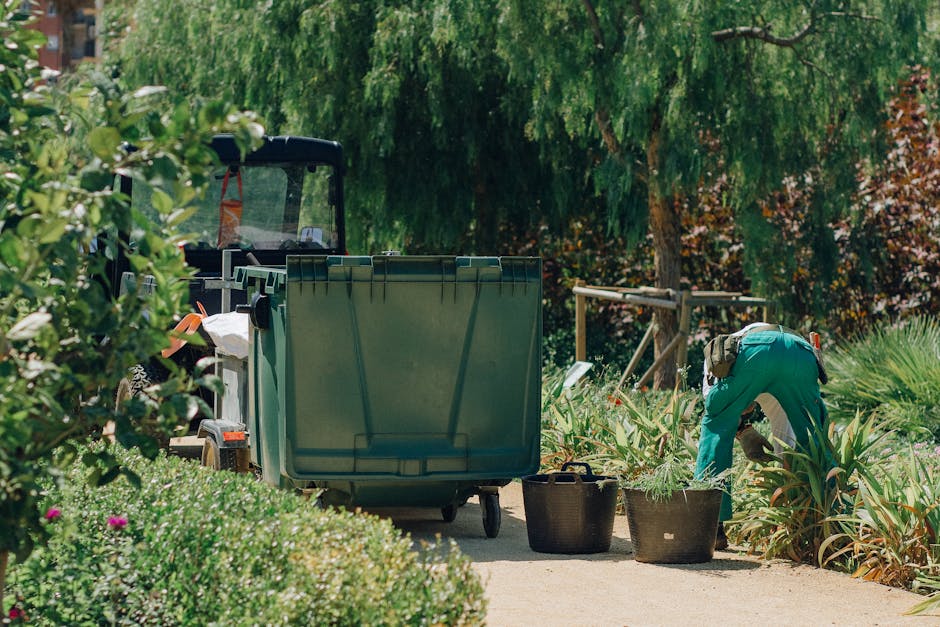
Sutton Council Garden Waste Rules for Garden Maintenance
If you manage a garden in Sutton, the rules around green waste can feel a bit fiddly at first. One week it's hedge trimmings, the next it's lawn clippings, and suddenly you're wondering whether that pile of soil, branches, or old bedding plants can go in the same place. This guide on Sutton Council garden waste rules for garden maintenance is here to make that clearer, with plain-English advice you can actually use on a busy day.
In practice, the big questions are simple: what counts as garden waste, how should it be stored and moved, and what's the best way to stay compliant while keeping your outdoor space neat? Whether you are a homeowner tackling a weekend tidy-up or arranging regular maintenance, the details matter. Get them wrong, and you can end up with extra hassle, avoidable costs, or a collection that does not go as planned.
We'll walk through the usual rules, the common grey areas, and the practical habits that make garden maintenance smoother. And yes, we'll keep it grounded. No legal waffle, no mystery.
- Why the rules matter
- How Sutton Council garden waste rules work
- Benefits for garden maintenance
- Who needs to follow these rules
- Step-by-step guidance
- Expert tips
- Mistakes to avoid
- Tools and recommendations
- Compliance and best practice
- Options and comparison table
- Real-world example
- Practical checklist
- Conclusion
- Frequently asked questions
Why Sutton Council garden waste rules for garden maintenance Matters
Garden waste rules are not just admin. They shape how you maintain your outdoor space from one week to the next. If you're trimming a hedge, mowing a lawn, clearing borders, or dealing with seasonal leaf fall, the way you separate and present waste can affect how easy the whole job is.
For households and property owners in Sutton, the main reason these rules matter is consistency. Garden maintenance produces predictable waste streams, but they are not all the same. Grass cuttings are one thing. Woody prunings are another. Soil, rubble, and treated timber are something else entirely. Mixing them up is where problems begin.
There is also a wider practical benefit. Following the right disposal habits keeps a garden tidier, reduces missed collections, and lowers the chance of contamination. If you are booking professional help, it also makes the work cleaner and more efficient. A crew can move faster when the waste has been sorted properly. Simple, but true.
To be fair, many people only think about disposal at the end of the job, when the bags are already full and the wheelbarrow is in the way. That is usually the wrong moment. The smarter approach is to plan waste handling before you start pruning, mowing, or clearing. It saves time and a bit of stress too.
How Sutton Council garden waste rules for garden maintenance Works
While exact collection arrangements can change, the general framework for garden waste in Sutton follows a familiar UK council pattern. Garden waste is expected to stay separate from general household rubbish and from non-garden materials. In other words, the bin or container you use for a spring tidy-up should not become a catch-all for whatever happens to be lying around.
Typical garden waste includes items such as grass cuttings, leaves, small twigs, hedge trimmings, weeds, and other plant material. Larger woody branches, bulky roots, large quantities of soil, stones, hardcore, plant pots, or any treated or manufactured items usually need different handling. That distinction matters more than people think. A bag of lawn cuttings is not the same as a pile of excavated spoil.
For routine garden maintenance, the practical process is usually:
- Separate organic green waste from everything else as you work.
- Keep any soil, rubble, or broken garden features apart.
- Use the correct container, bin, or approved collection method.
- Do not overload containers beyond a manageable, safe level.
- Check any local collection instructions before placing waste out.
If your maintenance work includes larger jobs, such as cutting back overgrown hedges or clearing a garden after months of neglect, the waste mix can become much more complicated. That is where services like garden clearance and garden maintenance can be helpful, because they are set up to deal with the practical mess that everyday gardening creates.
And there's a little real-world wrinkle here: wet green waste can be heavier than it looks. A bag that feels fine in the shed can become awkward fast once it has soaked through in the rain. London weather, as usual, likes to make a simple job less simple.
Key Benefits and Practical Advantages
Following the correct garden waste rules is not just about avoiding a problem. It genuinely improves the way your garden maintenance runs.
- Cleaner workflow: Separating waste as you go stops the whole job turning into a last-minute sorting exercise.
- Fewer disposal mistakes: You reduce the chance of placing the wrong materials in a green waste container.
- Better hygiene: Green waste left in piles for too long can smell, attract insects, and look untidy.
- Safer handling: Smaller, lighter loads are easier on the back and easier to carry through a narrow side gate or driveway.
- Smoother contractor visits: If you use a professional team, they can work more efficiently when the waste is predictable.
There is also a nice side benefit that people overlook: once you start separating materials properly, you notice your garden differently. A hedge cut that would have been dumped in a heap can be bundled more neatly. Lawn clippings stop being a soggy nuisance. The space feels calmer. It sounds a bit dramatic, but it does make a difference.
For readers who want a broader view of how outdoor work can be planned well, the site's recycling and sustainability approach is a useful companion read alongside this article.
Who This Is For and When It Makes Sense
These rules matter for anyone who produces garden waste in Sutton, but some people benefit more than others.
- Homeowners: If you handle your own mowing, hedge cutting, and seasonal tidy-ups, you need a simple system for disposal.
- Landlords and letting agents: End-of-tenancy garden condition often turns into a quick clearance job, and waste handling becomes part of that.
- Busy families: A garden can build up clutter fast, especially in spring and early autumn.
- Elderly residents: Heavy bags and awkward branches can be difficult to manage safely without help.
- People preparing to sell: First impressions count, and a messy waste pile can undermine an otherwise decent garden.
- Commercial or shared properties: Communal outside spaces need a more reliable maintenance routine.
It also makes sense whenever your garden work goes beyond a quick tidy. If you are cutting a lot of hedge material, lifting old turf, or reshaping beds, the disposal side becomes part of the project rather than an afterthought. That is usually the point where people start searching for answers halfway through the job. Fair enough.
Step-by-Step Guidance
If you want a straightforward way to stay on the right side of Sutton Council garden waste rules for garden maintenance, use this process.
- Identify the waste before you start. Work out whether you're dealing with green waste, woody waste, soil, or mixed rubbish.
- Separate as you cut. Put lawn cuttings in one place, hedge trimmings in another, and keep hard materials away from both.
- Remove contamination early. Bits of plastic, wire, plant labels, stones, and old ties should be pulled out before collection.
- Use suitable bags or containers. Choose something that can be carried safely and won't split at the bottom.
- Keep loads manageable. Overfilled bags are awkward, and frankly, no one enjoys a soggy 20-minute wrestling match with a bramble-filled sack.
- Check collection timing. Put waste out according to the agreed schedule, not the day before if that creates a nuisance or obstruction.
- Plan for bulky items. If your maintenance project includes fence panels, broken sleepers, or old decking, treat that as a separate disposal decision.
A sensible habit is to keep a small staging area near the work zone. One pile for green waste. One for bulky or non-organic material. That tiny bit of organisation saves more effort than it sounds like it should.
Expert Tips for Better Results
Here are the habits that make the biggest difference in day-to-day garden maintenance.
- Cut and clear in stages. Don't wait until the end of the job if the pile is already becoming unmanageable.
- Use the weather to your advantage. Dry clippings are lighter and easier to handle. Wet waste can double the effort.
- Bundle long stems. Hedge trimmings and prunings are easier to move if they are tied or grouped neatly.
- Keep a sharp eye on borders. Soil and stones creep into grass and plant waste more easily than people expect.
- Think about access. If waste has to pass through a narrow side passage, plan container size accordingly.
For recurring maintenance, it may help to pair waste handling with a regular service rhythm. For example, lawn mowing, hedge trimming, and lighter seasonal tidying can be scheduled before the garden gets out of hand. That is often easier and cheaper than waiting for a once-a-year rescue operation. If you need support with more routine work, the lawn mowing service and hedge trimming service are good examples of the kind of tasks that keep waste volumes under control in the first place.
And here's the honest bit: most garden waste headaches come from trying to do too much at once. Split the job up and the whole thing becomes much more manageable. Not glamorous, but it works.
Common Mistakes to Avoid
People usually run into trouble for the same handful of reasons.
- Mixing green waste with soil: Soil is heavy and usually needs separate handling.
- Including non-garden items: Broken pots, plastic ties, old tools, and bits of timber do not belong in green waste.
- Overfilling containers: It may look efficient, but it often makes collection or handling harder.
- Leaving waste exposed for too long: It starts to rot, blow around, or attract pests.
- Assuming all branches count as green waste: Large woody material often needs a different approach.
- Ignoring access issues: A beautifully stacked pile is still a problem if nobody can move it safely.
The biggest mistake, though, is treating garden maintenance as one single waste category. It isn't. A proper tidy-up produces several different waste types, and each one needs a separate decision. Once you see it that way, the whole process becomes clearer.
Tools, Resources and Recommendations
You do not need fancy kit to manage garden waste well. A few practical items make a big difference.
- Sturdy garden bags: Useful for leaves, clippings, and lighter trimmings.
- Tarpaulin or ground sheet: Handy for gathering waste from borders or moving it across the lawn.
- Sharp shears and secateurs: Cleaner cuts mean more compact waste, which is easier to handle.
- Wheelbarrow or garden trolley: Saves repeated trips through the garden.
- Gloves and basic protective gear: Especially useful when dealing with thorny or rough material.
- Bundling twine: Good for tying hedge cuttings and thin branches.
If your maintenance work includes broader outdoor improvements, it may also be worth looking at the wider service pages for services overview, garden clearance, or landscape gardening. Those pages are helpful when the job moves beyond simple upkeep and into something more involved.
For people who prefer a more planned service, the pricing and quotes page is useful for understanding how jobs are usually scoped. And if you are comparing options, it is worth asking whether waste removal is included, partly included, or treated separately. That detail matters. Quite a lot, actually.
Law, Compliance, Standards, or Best Practice
When garden waste rules come up, people often want a single definitive rulebook. In reality, there is usually a mix of local council expectations, UK waste handling principles, and practical best practice. The safest approach is to follow the local collection guidance that applies to your property and to keep different waste streams separated.
From a best-practice point of view, the main principles are straightforward:
- Do not mix garden waste with general rubbish.
- Keep hazardous or treated materials out of green waste.
- Store waste safely so it does not block access or become a nuisance.
- Handle heavier items in a way that avoids strain or injury.
- Use a properly insured provider if you are hiring help for larger jobs.
If you hire a professional team, it is reasonable to ask how they handle waste, what gets recycled where possible, and whether they have safety procedures in place. That is not being awkward. It is sensible. A reputable business should be able to explain it clearly, and you should feel comfortable asking.
You may also want to check service terms, payment arrangements, and safety commitments before work begins. The pages on insurance and safety, health and safety policy, and terms and conditions are sensible places to understand how a provider frames that side of the work.
Options, Methods, or Comparison Table
Different garden waste methods suit different types of maintenance. Here is a practical comparison.
| Method | Best for | Pros | Watch-outs |
|---|---|---|---|
| Council-style green waste collection | Regular grass cuttings, leaves, light pruning | Convenient, routine, usually simple to manage | Not suitable for mixed or bulky waste |
| DIY bagging and storage | Small one-off tidy-ups | Cheap, flexible, easy for light jobs | Time-consuming if the job grows |
| Professional garden clearance | Overgrown gardens, heavy pruning, mixed waste | Faster, less physical effort, better for large volumes | Usually costs more than doing it yourself |
| Scheduled maintenance visit | Ongoing upkeep and smaller waste loads | Keeps the garden under control all year | Needs regular planning and a clear scope |
There is no single best option for everyone. A small garden with light growth may only need regular mowing and the occasional bagged collection. A larger, more mature garden can produce very different volumes, especially after a wet spell when everything grows faster than you meant it to. That is where maintenance planning becomes useful rather than optional.
Case Study or Real-World Example
Picture a typical Sutton back garden after a few weeks of mild spring weather. The lawn has taken off, the hedge has started leaning over the path, and the borders are full of cuttings from a tidy-up that was supposed to take "just half an hour". By the end of the afternoon, there are two bags of grass clippings, a bundle of hedge trimmings, a small pile of weeds, and a corner full of heavier woody stems.
If everything goes into one heap, the cleanup becomes awkward. The bags tear more easily. The waste is harder to move. And if soil or hard material has been mixed in, it can turn a simple collection into a messy one. But if the work is split into waste types from the start, the result is calmer and faster. The light green waste can be bagged neatly, the woody bits bundled separately, and the heavier material identified straight away.
That is the difference between garden maintenance that feels under control and garden maintenance that spirals. Same garden, same afternoon, different system.
In our experience, this is also the point where people decide they do not want to do it all alone next time. Not because they cannot, but because the time and hassle are simply not worth it. Fair enough.
Practical Checklist
Use this quick checklist before and after any garden maintenance session.
- Have I separated green waste from soil, rubble, and general rubbish?
- Are the bags or containers suitable for the weight and shape of the waste?
- Have I removed plastic ties, plant pots, string, and other contamination?
- Is any bulky material being handled separately?
- Can the waste be moved safely without blocking access routes?
- Do I know when and how the waste should be presented for collection or removal?
- Have I checked whether a professional service would save time on this particular job?
- Is the garden left tidy enough to prevent smells, pests, or blowaway debris?
If you can tick most of those off, you are already ahead of the game. Honestly, that's the whole trick: a little organisation before the pile gets out of hand.
For tailored help with larger clearances or regular outdoor upkeep, it can be worth exploring garden maintenance alongside recycling and sustainability so the practical and environmental sides line up properly.
Get a free quote today and see how much you can save.
Conclusion
Sutton Council garden waste rules for garden maintenance are easier to follow once you think in categories instead of chaos. Green waste, bulky waste, soil, and mixed materials all need their own handling. Once you separate those from the start, garden work becomes quicker, tidier, and far less stressful.
The real win is not just compliance. It is control. You know what you are dealing with, you know where it is going, and you avoid that end-of-job panic when the bags are full and the path is blocked. For everyday maintenance, that small bit of planning goes a long way.
If your garden is becoming a regular weekend battle, don't beat yourself up about it. Lots of homes reach that point. The good news is that a better system, or a bit of professional help, can make the whole thing feel manageable again. And that feels good, doesn't it?
Frequently Asked Questions
What counts as garden waste under Sutton Council rules?
Garden waste usually means organic material such as grass cuttings, leaves, weeds, hedge trimmings, and small prunings. Mixed rubbish, soil, rubble, and treated materials are normally handled separately.
Can I put soil in my garden waste container?
Usually not. Soil is heavy and often treated differently from green waste. If your job includes turf lifting, edging, or border changes, keep soil apart from plant material.
Are hedge trimmings accepted as garden waste?
Yes, hedge trimmings are typically part of green waste, as long as they are not mixed with plastic ties, wire, or other non-organic items. Large woody branches may need separate handling.
What should I do with mixed garden rubbish?
Separate it into categories before disposal. Green waste, hard landscaping debris, and general household rubbish should not be bundled together if you want a clean, straightforward collection or removal.
Do I need a professional service for small garden jobs?
Not always. For a light mow or a small tidy-up, DIY disposal may be enough. If the waste is bulky, wet, thorny, or mixed, a professional service can save a lot of time and effort.
Is garden waste disposal part of garden maintenance?
It usually is, yes. Good maintenance is not just about cutting and trimming; it also includes clearing, sorting, and disposing of the waste properly so the garden stays usable.
What happens if I mix non-garden items into green waste?
It can cause collection issues or create extra sorting work later. In practical terms, it makes the process slower and more frustrating. Keeping waste clean from the start is the safest approach.
How often should garden waste be cleared?
That depends on the size of the garden and how quickly it grows. Many people clear waste after each major tidy-up, while others prefer a regular maintenance schedule to keep volumes smaller.
What is the easiest way to handle a large overgrown garden?
Break the job into sections and deal with waste as you go. For really overgrown spaces, a full garden clearance is often more practical than trying to manage everything as a small DIY job.
Can professional garden services help with compliance?
Yes, a good provider should understand local waste-handling expectations, work safely, and separate materials properly. It is reasonable to ask how they manage the disposal side before booking.
Are lawn cuttings and leaves treated the same way?
They are both common forms of green waste, but they behave differently. Grass cuttings are heavier and can become soggy quickly, while leaves are lighter and can blow around if not contained.
Where can I learn more about related garden services?
You can explore the site's services overview to see how maintenance, clearance, trimming, and landscaping fit together as part of a wider outdoor care plan.