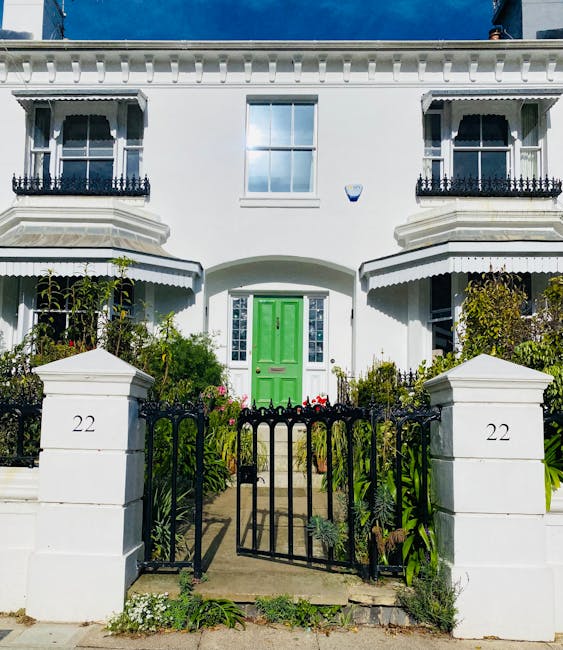
Gardeners in Carshalton Beeches for hedges fences and pruning
If you are looking for Gardeners in Carshalton Beeches for hedges fences and pruning, you are probably dealing with one of those jobs that looks simple from the pavement and turns out to be anything but. A hedge that has crept out over the path, a fence line that looks tired after a wet winter, a shrub that has outgrown its place, maybe even all three at once. Truth be told, these are the details that make a garden feel cared for. Get them right and the whole space suddenly looks sharper, calmer, and easier to live with.
This guide walks through what to expect, why the work matters, how it is usually approached, and what to look for when deciding whether to book help. We will also cover practical maintenance advice, common mistakes, and a few straightforward checks that can save time, mess, and unnecessary rework. If you want a more complete view of related garden services, it can also help to look at the broader services overview and the specific garden maintenance support available alongside pruning and boundary care.
Table of Contents
- Why this matters for local gardens
- How the work usually works
- Key benefits and practical advantages
- Who this is for and when it makes sense
- Step-by-step guidance
- Expert tips for better results
- Common mistakes to avoid
- Tools, resources and recommendations
- Law, compliance, standards, or best practice
- Options, methods, or comparison table
- Case study or real-world example
- Practical checklist
- Conclusion
- Frequently asked questions
Why Gardeners in Carshalton Beeches for hedges fences and pruning Matters
Carshalton Beeches gardens tend to have a bit of everything: mature planting, compact front gardens, longer rear spaces, boundary hedges, sheds, timber fencing, and the occasional awkward corner where nature has plainly had its own way. That mix is lovely, but it also means maintenance is not just about making things look neat. It is about keeping the garden usable, keeping growth under control, and protecting the parts that wear out first.
Hedges and pruning are especially important because plants respond quickly to neglect. A hedge left for too long can become woody at the base, patchy in the middle, or too wide for the space. Pruning can help shape growth, improve flowering, and stop branches from rubbing, breaking, or shading out weaker plants. Fences, meanwhile, often show the effects of damp, soil movement, and overgrown climbers long before anyone notices from indoors. You look out one morning and there it is: a leaning panel, a split post, a gate that no longer shuts properly. Not ideal.
In practical terms, the work matters because it keeps small issues small. That is the real win. A little trimming now can prevent a larger rebuild later. A careful prune can protect a shrub for years. A sensible fence repair can stop a whole run from failing after the next windy spell. Gardens are a bit like kitchens in that way: once the basic structure is sound, everything feels easier.
There is also a visual side to it. A tidy hedge line, clean fence boundary, and well-pruned planting create a sense of order even before you add flowers or seasonal colour. For many homeowners, that matters just as much as the planting itself. A garden can be full of life and still look elegant. It just needs a steady hand.
How Gardeners in Carshalton Beeches for hedges fences and pruning Works
The process usually starts with a walk-through and a quick look at what is actually there, not just what the garden should look like in theory. A good gardener will assess hedge type, growth density, height, access, nearby fencing, nesting risk in season, and whether the plant needs a light trim or a deeper reshaping. That judgement matters. Cutting too much at the wrong time can set a hedge back. Cutting too little can leave you with the same problem again in a fortnight.
For fencing, the approach is different. The focus is on stability, alignment, fixings, rot, and how the fence interacts with the ground around it. If a panel has blown out because the post has failed, the visible damage is only part of the story. Soil levels, water exposure, and old fixings often play a part too. Sometimes a repair is enough. Sometimes the honest answer is replacement. Better to know now than to patch and hope.
Pruning is the most skill-sensitive of the three. Different shrubs and small trees need different handling, and the right cut depends on the plant's age, shape, and season. One client might need rose pruning and selective reduction. Another might need deadwood removal and a bit of thinning so light can reach the lower growth. It is not a one-size-fits-all job, and anyone who says otherwise is probably making life easy for themselves, not for the garden.
In many jobs, these tasks are combined. For example, overgrown hedge trimming can reveal fencing that has been hidden or damaged. Pruning may improve access to fence posts or side returns. A tidy-up at the same time as a boundary repair makes sense because the work often overlaps physically and visually. That is where experienced gardeners earn their keep: fewer visits, less disruption, cleaner final results.
Key Benefits and Practical Advantages
There are obvious benefits, and then there are the quieter ones that only really become clear after the work is done.
- Better kerb appeal: Straight hedge lines and tidy fencing make a garden feel maintained from the street and from inside the house.
- Healthier plants: Regular pruning encourages stronger growth, better airflow, and less dieback in crowded areas.
- Longer fence life: Catching rot, movement, and loose panels early can save a lot of expense later.
- Safer access: Narrow paths, low branches, and broken timber can all become trip hazards or snag points.
- More usable space: When hedges are reduced properly, gardens often feel bigger and lighter straight away.
- Less ongoing stress: Once the work is under control, the garden becomes easier to manage week by week.
There is also the plain reality that well-kept boundaries reduce friction with neighbours. A hedge that encroaches less, a fence that sits properly on the line, and pruning that keeps growth off adjoining spaces can avoid awkward conversations. Nobody enjoys those. Nobody.
For many homeowners, the biggest practical advantage is rhythm. A garden that is pruned and maintained regularly tends to stay in a manageable state. It does not keep ambushing you every spring and autumn with a huge catch-up job. That kind of predictability is worth a lot.
Who This Is For and When It Makes Sense
This kind of service suits a wide range of people. Some need a one-off reset after a neglected season. Others want regular support because the garden is too large, too established, or simply too time-consuming to handle alone. Let us face it, a hedge does not care how busy your diary is.
You may want help if:
- your hedge has become too tall, wide, or uneven
- your fence is leaning, damaged, or affected by damp
- your shrubs are flowering poorly or growing into each other
- you have climbing plants pressing against timber fencing
- you want to reopen light into a shaded garden
- you are preparing to sell, rent, or let a property
- you simply want the garden to feel easier to manage
It also makes sense if you have a mix of maintenance tasks and do not want to coordinate several separate visits. In that case, a combined approach through garden maintenance can be more efficient than handling hedge work, pruning, and boundary tidying in isolation. You are not just paying for labour; you are paying for joined-up judgement.
There is a point where DIY stops being the sensible option. Very high hedges, unstable fence posts, large woody shrubs, and awkward access can all become more trouble than they are worth. A ladder, a saw, a windy afternoon, and one overconfident decision later... well, it is not the best plan. Sometimes the smart choice is simply getting help in.
Step-by-Step Guidance
If you are planning work on hedges, fences, and pruning, a simple process keeps things clear and avoids rushed decisions.
- Inspect the garden carefully. Walk the boundary, look for leaning posts, dead sections in hedges, broken branches, and signs of disease or pest damage.
- Decide what is urgent. Anything structural, unsafe, or likely to worsen quickly should go first. A failing fence usually beats a cosmetic tidy-up.
- Set the right scope. Be clear whether you want light shaping, heavy reduction, deadwood removal, fence repairs, or a full boundary tidy.
- Check timing. Some pruning jobs are best done at specific times of year, while hedge work may need to avoid nesting periods where relevant and appropriate.
- Arrange waste removal. Green waste and broken timber pile up fast. A clean finish depends on proper clearance, not just the cutting itself.
- Review the result. Look at the line of the hedge, the stability of the fence, and whether pruning has left the plant balanced rather than lopsided.
- Plan follow-up care. Watering, mulching, light feeding, or a return visit may help the garden settle well after more intensive work.
If you want a broader tidy-up at the same time, garden clearance can be the practical add-on that removes cuttings, debris, and old material in one go. That is often the difference between a job that looks finished and one that still feels half-done on the next damp morning.
Expert Tips for Better Results
Small details make a big difference here. In our experience, the best results come from restraint, timing, and an honest read of the garden rather than trying to force it into shape in a single afternoon.
- Trim little and often where possible. Hedges usually look better with steady maintenance than with severe, infrequent cuts.
- Step back often. What looks straight up close can look uneven from across the lawn. Keep checking sightlines.
- Do not overcut old wood unless the plant tolerates it. Some hedges and shrubs will not respond well to harsh reduction.
- Prune with purpose. Remove crossing, dead, or damaged growth first, then shape for balance.
- Protect the fence while working. Heavy branches and hedge cuttings can dent or stain timber if left piled against it.
- Allow light and airflow. Dense, damp pockets are where problems tend to start.
A small but useful tip: after pruning or hedge work, stand at the back door and look at the whole line again. Gardens are experienced most from the house, not from a technical checklist. If the view feels calmer, you are probably on the right track.
For boundary-heavy gardens, it can also help to think in layers. Fence first, hedge second, shaped planting third. That order usually makes practical sense because the structure supports the softer elements, not the other way round.
Common Mistakes to Avoid
Most garden problems in this area are not dramatic. They are cumulative. A little too much cutting here, a missed repair there, and suddenly the whole boundary looks tired.
- Cutting hedges too hard at the wrong time: This can leave bare patches, weak regrowth, or unnecessary stress.
- Ignoring the fence posts: Panels often look like the issue, but posts are usually the real weak point.
- Pruning without identifying the plant: Different shrubs need different treatment. Guessing is expensive.
- Leaving waste behind: Stacked cuttings trap moisture and can make a neat job look unfinished.
- Using blunt or poor-quality tools: Ragged cuts heal badly and can leave plants looking shredded rather than shaped.
- Overlooking access and neighbour boundaries: Even a simple hedge trim can become awkward if reach, fences, or shared lines are not considered first.
Another common mistake is treating all work as visual only. A fence repair might look fine from a distance and still be unstable. A hedge might look square and still be unhealthy inside. Looks matter, of course, but they are only part of the story.
Tools, Resources and Recommendations
Good outcomes usually come from using the right tools and having the right service mix. For hedge work, that might mean manual trimmers for controlled shaping, long-reach equipment for tall sections, and clean cutting tools for precise finish. For pruning, sharp secateurs, loppers, pruning saws, and, in some cases, more specialist equipment are the basics. Fence work may require post-setting tools, fixings, levels, and timber treated for outdoor exposure.
On the service side, it helps to match the job to the right support rather than asking one task to do the work of three. If the garden needs repeated care, hedge trimming is the obvious fit for shape and control, while tree lopping and removal may be relevant where branches are overhanging fences or creating pressure on nearby structures. For broader appearance and layout changes, landscaping and landscape gardening can help if you are moving beyond simple maintenance into a more considered redesign.
If you want a cleaner and more efficient finish after major pruning, pair the work with proper waste handling and recycling. That keeps the garden manageable and avoids the classic pile of branches that sits there like a temporary monument to good intentions.
Law, Compliance, Standards, or Best Practice
For this type of work, the safest approach is to follow normal UK garden and property best practice rather than trying to improvise around it. That means checking access, being careful near boundaries, and handling waste responsibly. If any trees or protected planting are involved, extra care may be needed. If you are unsure about nesting birds, boundary ownership, or whether a plant should be pruned hard or lightly, it is better to pause and verify than to rush in.
Good contractors should also work in line with sensible safety expectations: use appropriate protective equipment, keep work areas clear, control falling debris, and make sure any fence work is stable before leaving. If machinery or ladders are involved, method and control matter more than speed.
There is also a privacy and neighbour consideration in tightly packed residential streets. Noise, access across shared spaces, and tidiness at the boundary can all affect the experience for everyone nearby. This is where a courteous, steady approach goes a long way. No drama. Just proper work.
If you care about how a company operates more broadly, it is reasonable to look at pages like health and safety policy, insurance and safety, and recycling and sustainability. Those pages help show how the business thinks about risk, responsibility, and waste handling, even before the first cut is made.
Options, Methods, or Comparison Table
Not every garden needs the same level of intervention. Here is a simple comparison to help you choose the right approach.
| Approach | Best for | Typical advantage | Watch out for |
|---|---|---|---|
| Light hedge trimming | Regular shape control, neat boundaries | Keeps growth even and manageable | Needs regular follow-up |
| Selective pruning | Shrubs, roses, small trees, mixed planting | Improves plant health and form | Incorrect cuts can weaken the plant |
| Fence repair | Loose panels, damaged posts, minor boundary issues | Restores stability without full replacement | May not solve hidden rot or movement |
| Full boundary tidy-up | Overgrown gardens with multiple problems | Creates the biggest visual reset | Can take longer and produce more waste |
| Combined maintenance visit | Homes needing several related tasks | Saves time and gives a more joined-up finish | Needs clear prioritisation at the start |
As a rule, if the issue is mainly appearance, light trimming may be enough. If the issue affects structure or safety, repairs and pruning decisions should come first. A balanced job usually beats a dramatic one. Every time.
Case Study or Real-World Example
A typical local example is a rear garden where the hedge had been left for two seasons, the fence line had started to lean, and a couple of shrubs were spreading across the path. Nothing catastrophic, just the sort of thing that quietly gets worse. The owner wanted the garden ready for summer use and did not want a full redesign, just a proper reset.
The first step was to clear access and assess the boundary line. Once the hedge was reduced carefully, the fence damage became easier to see. One section was repairable, but two posts were too weak to leave in place. The pruning then focused on lifting branches away from the path, thinning dense growth, and keeping the shrubs in a more natural shape rather than forcing them into a square box.
By the end, the garden felt wider and brighter. The paving was easier to walk on, the fence sat straighter, and the planting still looked full rather than hacked back. The owner later said the best part was simply being able to open the back door and not feel immediately behind with maintenance. That is often what people are really after, even if they ask for hedge cutting first.
The lesson? A well-planned boundary and pruning job rarely needs theatrics. It just needs attention, the right order of work, and a bit of patience.
Practical Checklist
Before booking or starting work, run through this quick checklist.
- Have I identified whether the main issue is shape, safety, structure, or overgrowth?
- Do the hedges need trimming, reducing, or full re-shaping?
- Are any fences leaning, rotten, loose, or affected by damaged posts?
- Do I know which plants can be pruned now and which should wait?
- Is there enough access for the work to be done safely?
- Have I considered waste removal and final clean-up?
- Do I want one-off help or regular maintenance?
- Would a broader visit through services overview make more sense than separate jobs?
- Have I checked whether any nearby features, such as decking or paths, need protecting during the work?
- Do I want a tidy finish that looks good from inside the house, not just from the gate?
One more thing: if you are unsure, ask. A short conversation before the job often prevents a lot of guesswork later. Simple, but effective.
Conclusion
Gardeners in Carshalton Beeches for hedges fences and pruning are not just there to make things look presentable. Done properly, this work protects your boundary, supports healthy growth, and makes the whole garden easier to use day to day. It is practical, yes, but it is also quietly transformative. A good hedge line can change the feel of a garden in a single afternoon.
The best results usually come from looking at the garden as a connected space rather than a list of separate jobs. Hedges affect light. Pruning affects shape and health. Fences affect safety, privacy, and how the rest of the space holds together. When those parts are managed together, everything tends to work better. And that is exactly the point.
If you want a straightforward next step, explore the most relevant service pages, compare what needs doing, and choose the kind of support that matches the state of your garden rather than the amount of time you wish it took. A calm, tidy outdoor space is rarely an accident. It is usually the result of steady, sensible care.
Get a free quote today and see how much you can save.
There is something satisfying about a garden that feels looked after without looking overdone. When the hedge sits neatly, the fence stands firm, and the pruning is just right, the whole place breathes a little easier.
Frequently Asked Questions
What do gardeners in Carshalton Beeches usually do for hedges, fences, and pruning?
They usually handle hedge trimming, shrub and small tree pruning, fence repairs or replacement where needed, and the clean-up that comes with all of it. Many jobs overlap, so a joined-up visit often works best.
How often should hedges be trimmed?
It depends on the hedge type and how quickly it grows, but many gardens benefit from regular trimming rather than waiting until the hedge becomes unmanageable. A steady schedule usually gives a cleaner finish and less stress for the plant.
When is the best time to prune shrubs and small trees?
That depends on the plant, its flowering cycle, and whether you are removing dead, damaged, or overcrowded growth. Some pruning is best done in dormancy, while other plants respond better after flowering. Timing matters more than people think.
Can fence repairs be done at the same time as hedge trimming?
Yes, and often they should be. Trimming can reveal hidden fence issues, and fence work is easier when overgrowth is reduced. Combining the tasks can save time and leave the boundary looking much tidier.
Is pruning the same as cutting a plant back hard?
No. Pruning is usually careful, selective work aimed at improving shape, health, and structure. Cutting a plant back hard may be necessary in some cases, but it is not the same thing and should not be done casually.
What signs show that a fence needs more than a quick repair?
If posts are rotten, the fence line is leaning badly, or multiple panels have failed, a simple repair may not be enough. A proper inspection is usually the safest way to judge whether patching or replacement makes more sense.
How do I know if my hedge has been cut too much?
If you see large bare areas, exposed woody stems, or uneven regrowth after cutting, the hedge may have been taken back too hard. Some hedges recover well, others do not. A careful assessment is better than hoping it will sort itself out.
Do I need regular garden maintenance or just a one-off visit?
If the garden gets untidy quickly, has mature hedges, or includes fencing that needs watching, regular maintenance usually pays off. If the issue is mainly seasonal overgrowth or a one-time reset, a one-off visit may be enough.
What should I do before a gardener arrives?
Clear access where you can, move delicate items, note any areas of concern, and decide what you want prioritised. A quick walk-through before the job starts makes the whole visit smoother and avoids crossed wires.
Are hedge trimmings and pruning waste removed too?
They should be, if that is part of the agreed job. Waste can build up quickly, so it is worth confirming clean-up and disposal before work begins. A tidy finish matters just as much as the cutting itself.
What if I am not sure whether I need hedge trimming, pruning, or landscaping?
If the problem is mainly overgrowth, trimming or pruning may be enough. If the garden needs a wider rethink, pathing, layout changes, or boundary improvements, then landscaping may be the better route. A good starting point is to look at the broader landscape gardening options and decide from there.
How do I choose a trustworthy garden service?
Look for clear communication, sensible safety practices, proper insurance awareness, and a service that explains what will happen rather than promising magic. If the company is transparent about payment, care, and responsibility, that is usually a good sign.
Can overgrown gardens be brought back under control in one visit?
Sometimes yes, sometimes not completely. A heavy reset can make a huge difference, but if hedges are very established or fences are badly affected, the work may need to happen in stages. That is often the more sensible route anyway.
Why does my garden feel bigger after hedge and pruning work?
Because light, space, and clear sightlines all return at once. Once the hedge is shaped and the pruning opens things up, even a modest garden can feel brighter, cleaner, and more usable. Small changes, big effect.
For anyone comparing options, the simplest next move is to match the work to the problem: trim what is overgrown, prune what is crowded or unhealthy, and repair what is structurally failing. That way the garden gets the right help, not just more work.